Layering Your Picture Book: Freddie the Flyer by Freddie Carmichael and Danielle Metcalfe-Chenail
In one of the most memorable lectures on picture book writing I’ve ever heard, Liz Garton Scanlon encouraged writers to ask, “What is your book about? And what else? And what else?” A great picture book has multiple layers that add depth to the story and make it a re-readable experience for children and caregivers alike.
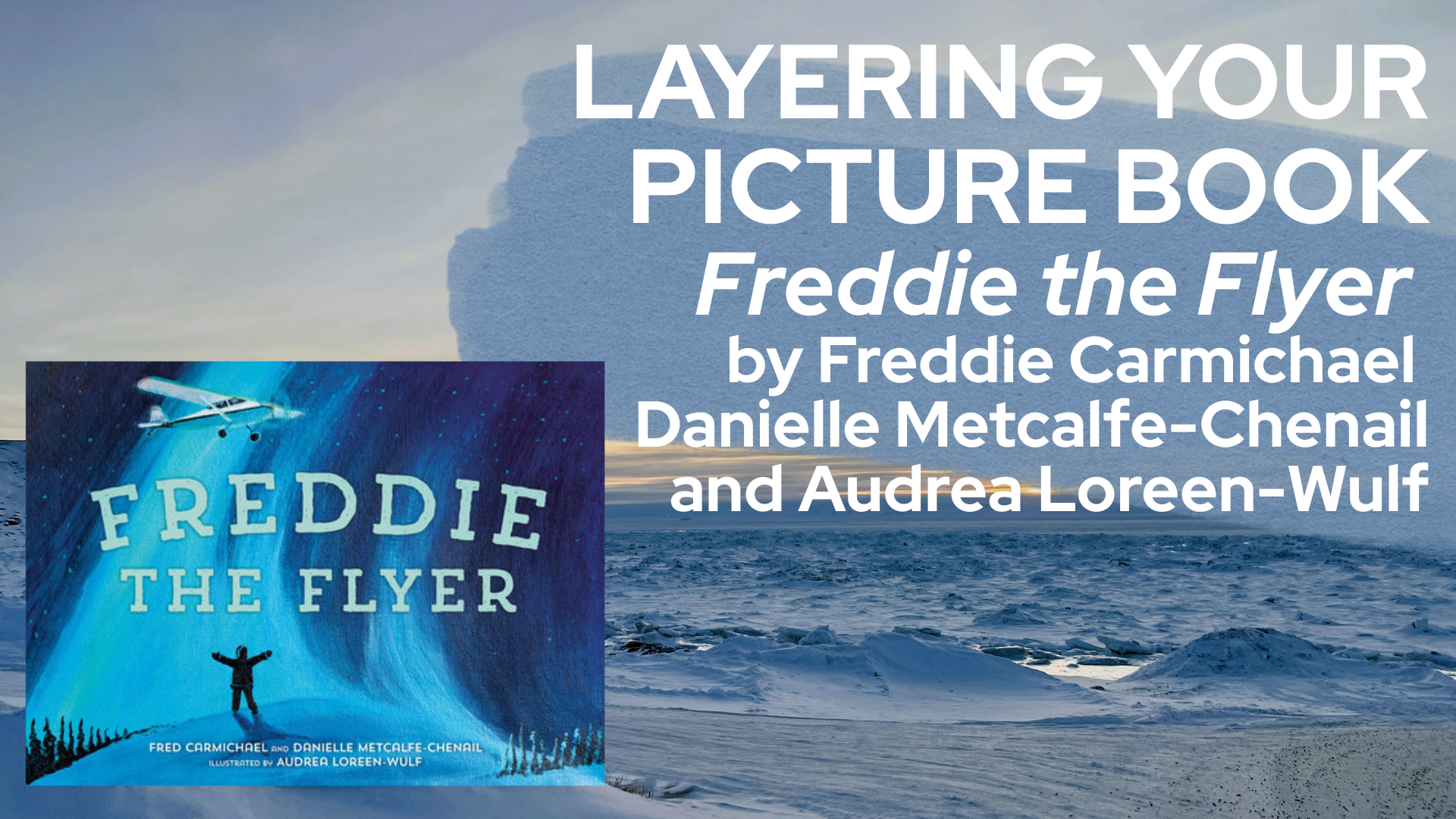
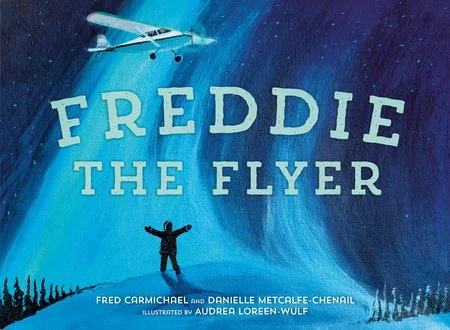
The picture book biography Freddie The Flyer, by Fred Carmichael and Danielle Metcalfe-Chenail, illustrated by Audrea Loreen-Wulf, is a perfect example of how layers can work together to tell a compelling story.
What is the book about? The main character.
The title tells us that this book is about Freddie, who flies. The cover has a shadowy figure on snow, arms spread wide, gazing at the sky, while a plane flies overhead.
At its core, it’s a biography of Freddie Carmichael, an Indigenous commercial pilot in the Arctic.
The story focuses on his big childhood dream of becoming a pilot, the work it took to get there, and the experience of being a commercial pilot in the sometimes harsh conditions of the Arctic.
Instead of being only a child-to-old-age story, the book also includes anecdotes about particularly memorable flights, like taking a pregnant woman to the hospital or saving a prospector from blizzard conditions. Readers not only follow Freddie’s dream, but also get to share in the specific courageous moments that showcase Freddie’s piloting skills.
And what else? The community.
The story is also about Freddie leaving home to become a pilot and later returning to his community. He helps the people in his community by transporting them (including mushers and their sled dogs!) and by training and hiring them at his commercial airline company. And the last page of the book highlights his own gratefulness and respect for his community: “He worked with all the people of the Western Arctic—Gwich’in, Inuvialuit, Metis and others—and appreciated all those who helped him along the way.”
And what else? The Arctic and its people and languages.
Much of this story is about setting—the place where Freddie grew up and established his business, and, in particular, the geography and climate of the Arctic. Many of the stories and illustrations highlight the beauty and harshness of the Western Arctic.
The back matter highlights the use of Indigenous languages in the text: “Freddie lives on the traditional territory of the Gwich’in and Inuvialuit peoples, so we [Authors Metcalfe-Chenail and Carmichael] felt it was important to include their terms.”
And what else? The calendar and the seasons.
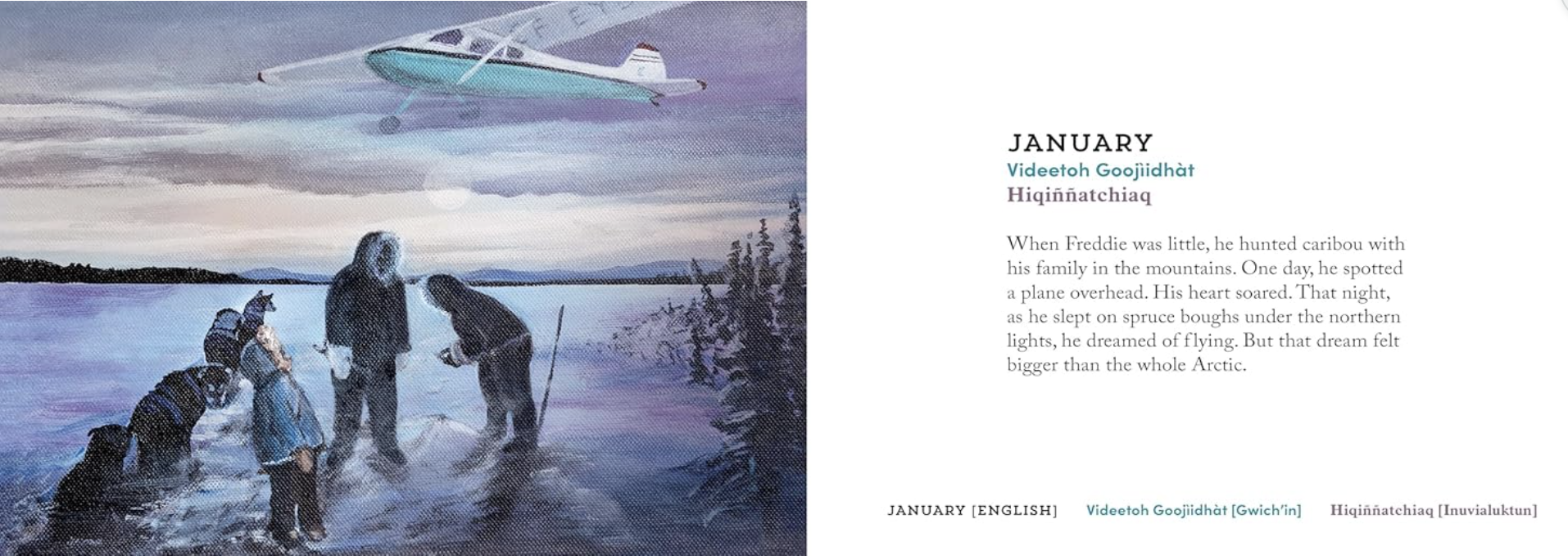
The structure of the book provides another layer. Each spread has an illustration on the left page, and text on the facing page titled with a month of the year, the name of that month in two Indigenous languages, Gwich’in and the Uumarmiutun dialect of Inuvialuktun. (The back matter includes pronunciation guides and translations.)
Even though the story begins when Freddie is a child and ends after he has retired, the text often refers to the season. For example, on the January page, the text references the northern lights. August references summer activities, like fishing and gathering berries at bush camps. September starts, “In the fall, Freddie would squeeze trappers and their dog teams into his plane.” November focuses on Freddie’s flightseeing company and distinguishes winter activities (dogsleds and snow machines) from summer: “They dipped their toes in the Arctic Ocean (in summer, of course!).” In this way, the book provides a layer of information about seasons and seasonal activities in the Arctic.
And what else? Freddie’s heart.
The first spread describes the first time Freddie saw a plane: “His heart soared. That night, as he slept on spruce boughs under the northern lights, he dreamed of flying. But that dream felt bigger than the whole Arctic.”
Freddie’s love of flying and love of helping people shines through the story.
The book ends: “Freddie’s flying dreams grew up along with him and were now as big as the sky.”
The authors keep Freddie’s heart woven through the entire story, framing it with these first and last spreads. Readers will connect with the story because beyond being interesting, informative, and exciting, it’s a story of a dream that starts big and grows over time. It invites readers to think about their own dreams.
The benefits of layers
Layering a story with character, theme, place, and structure builds a story that gives readers more to discover each time they read it. And, most importantly, the layers give the story depth that reaches to the heart of the story as well as into reader's own hearts.
Now it’s YOUR turn!
Examine one of your picture book drafts. Ask yourself: “What is this story about? And what else? And what else?” Freewrite for 10-15 minutes without stopping. If you get to a natural stopping point, ask “and what else?”
Sometimes when you do this exercise, you’ll find you are writing into new ideas rather than describing what’s on the page. Explore these new possibilities. What layers could you add? How will those layers support the overall story? How will those layers help you get to the heart of the story?
Revise with those layers in mind.
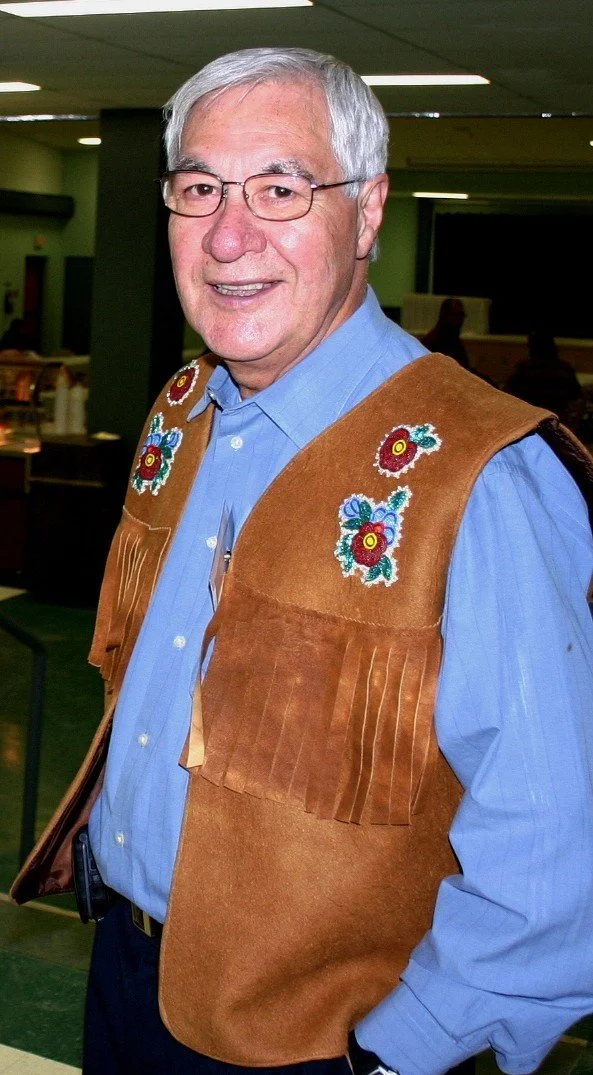
Frederick “Freddie” Carmichael split his childhood between the trapline and the town of Aklavik, Northwest Territories (NWT). He worked hard to become the first Indigenous commercial pilot in the Arctic, founded multiple aviation companies, and has served the people of the Mackenzie Delta in the air and as a leader and Elder. Fred is a Member of the Order of Canada and Canada’s Aviation Hall of Fame, and he holds an Honorary Doctor of Laws from the University of Saskatchewan. Fred still flies his Cessna 170 from his home in Inuvik, NWT, where he lives with his wife, Miki, and their dog, Shadow. This is his first book.
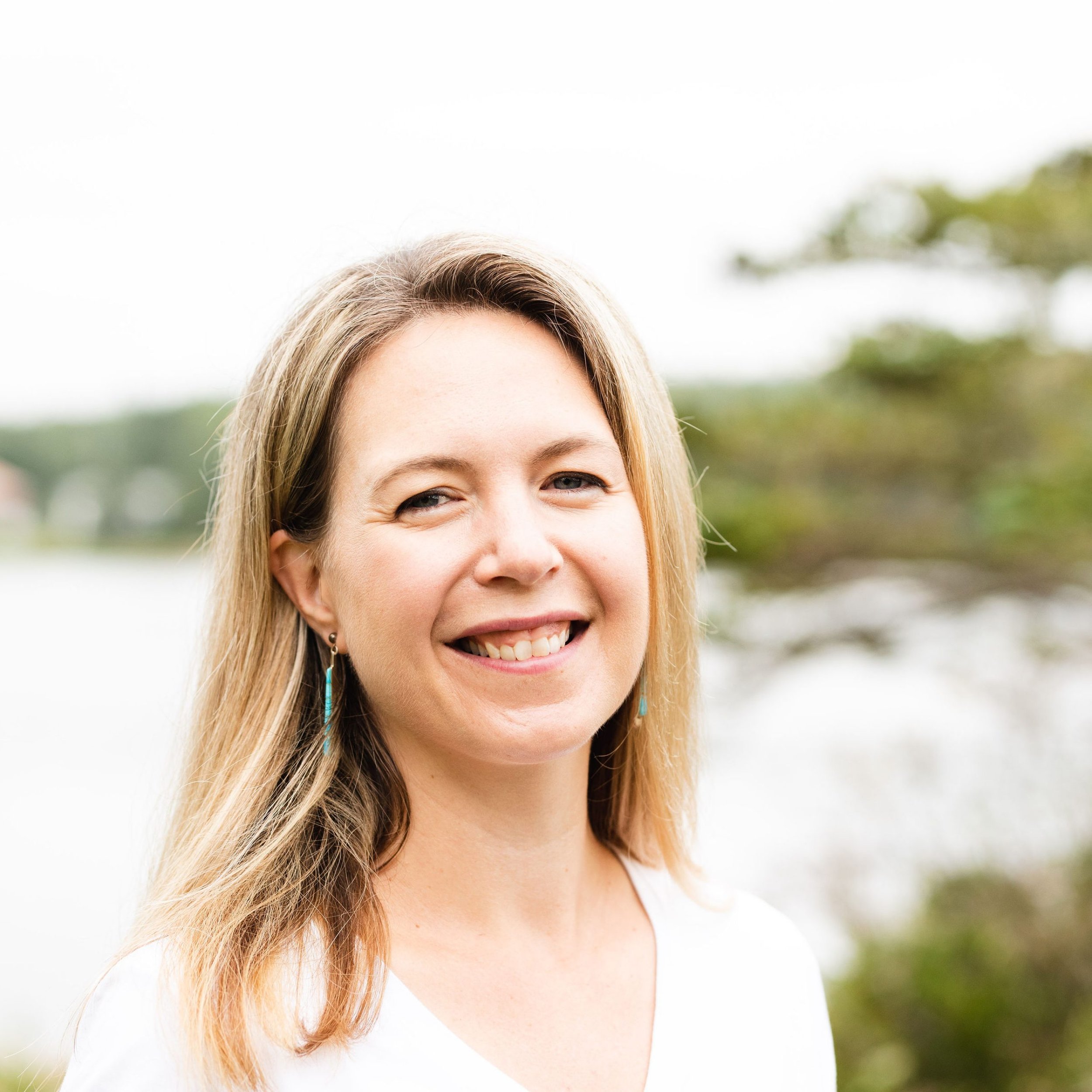
Danielle Metcalfe-Chenail is the author of several books about aviation and reconciliation, including the picture books Alis the Aviator: An ABC Aviation Adventure and Freddie the Flyer. She has cherished her visits to the Western Arctic and was Writer in Residence at Berton House in Dawson City, Yukon. Danielle lives by the sea in Nova Scotia/Mi’kma’ki with her young family. Visit her online at www.daniellemc.com or on Instagram @dmchenail
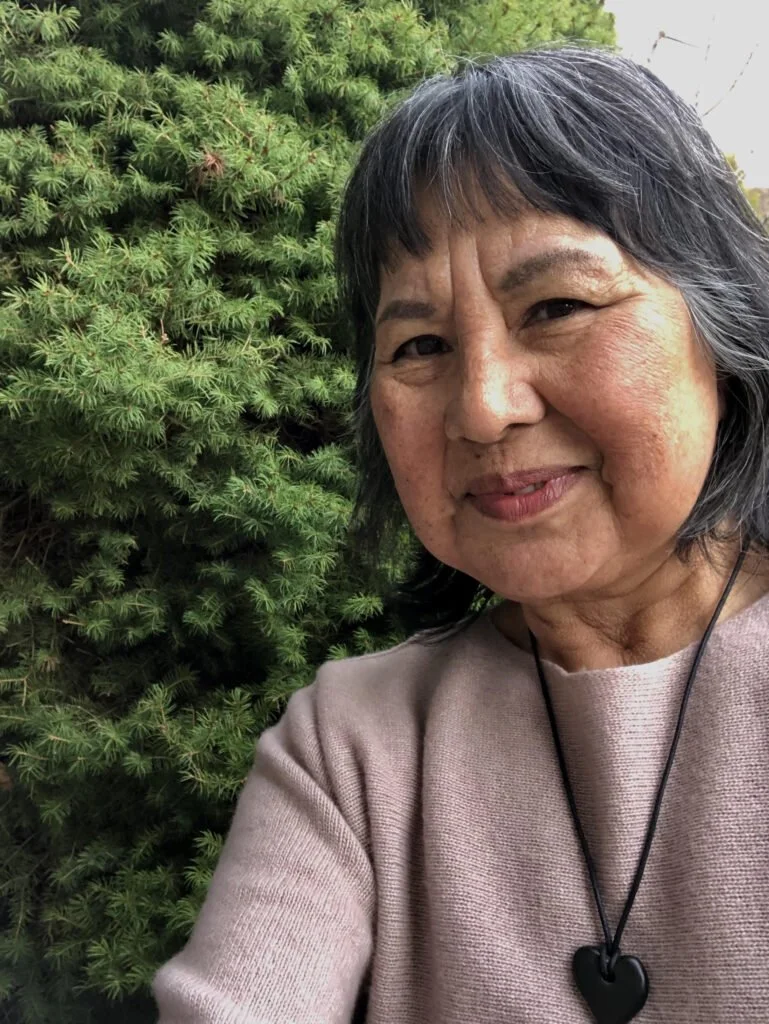
Artist Audrea Loreen-Wulf was born in the Tuktoyaktuk area and lived there as a young child. She now lives in Salmon Arm, BC. She expresses her deep love for the North through her paintings. Visit her on Instagram @audreawulf
Related Articles: